
What do I actually eat on Tuesday if every diet is the 'best' one
By Maya · October 5, 2026
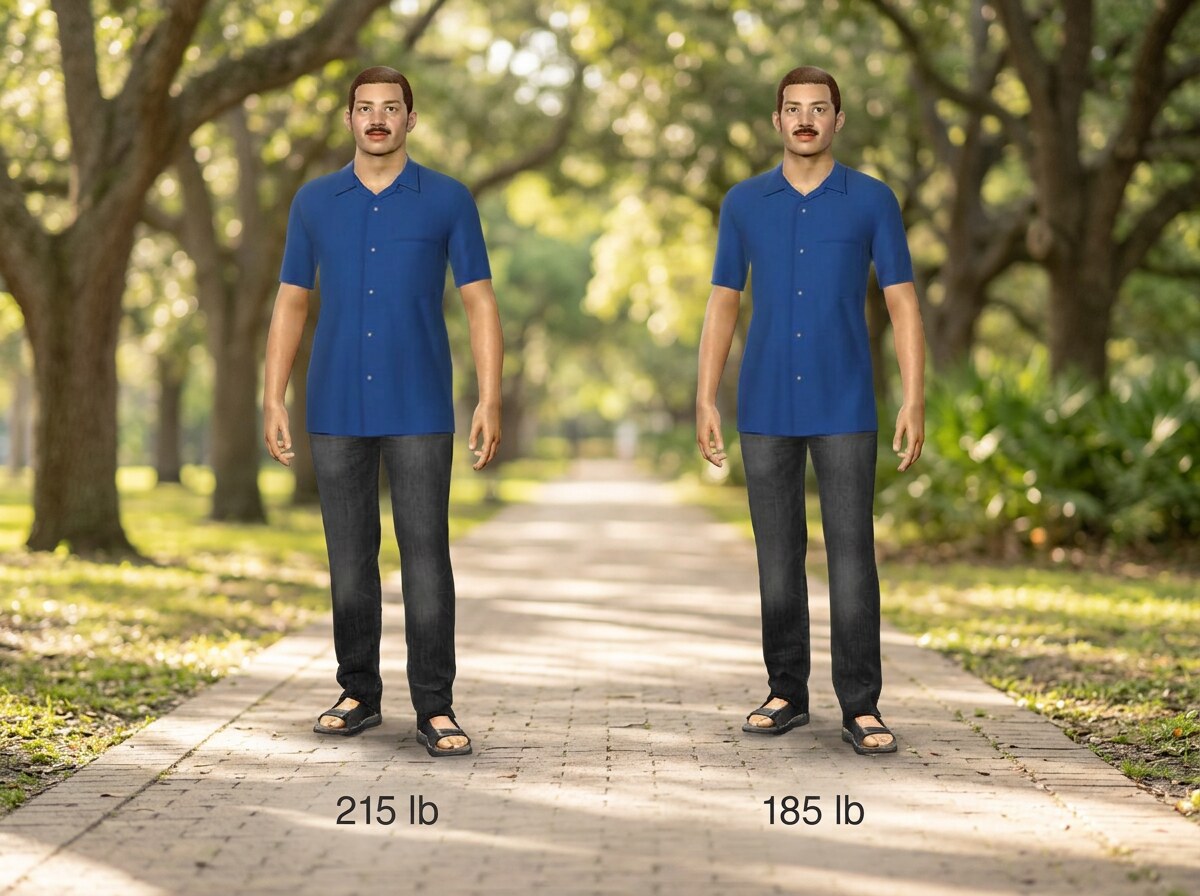
Marcus, 48, tried keto, fasting, and high-protein counting. His weight moved between 212 and 220. What changed was the mental load.
He is a perfectly reasonable person who kept running into the same wall: there is no single winning diet for living longer. What you eat on Tuesday matters more than the name you give the plan.
A one-page filter
The diets that show up in longevity research share a shape, not a label. People who age well tend to eat mostly plants, enough protein to hold onto muscle, and a mix of foods they actually like. They do not quit their way of eating every six weeks for a new one. The common ground looks something like this: a plate that is half vegetables or fruit, a quarter protein, a quarter whole grains or beans, and fat that comes from the food rather than a factory.
A pattern is easier to hold than a protocol because it bends. A Tuesday with a late meeting and leftover lentil soup in the fridge still fits. A Wednesday with a birthday dinner and a slice of cake still fits. The filter needs to answer one question: can I see myself eating this way when I am sixty?
What Marcus tried
Marcus started at 220 pounds. Keto took him to 205 in two months. The restriction wore on him. A business trip to Chicago undid the routine, and he landed back at 212 within six weeks. The fasting protocol dropped him to 208, and the rebound was faster than the loss. The high-protein phase built some gym strength he was proud of, but his weight sat between 212 and 216 the whole time. His doctor looked at his fasting glucose, his lipids, and his inflammatory markers and shrugged. The numbers were fine before and fine after.
The figure above shows Marcus at 215 and again at 185, a thirty-pound difference from a pattern he can sustain. Weight shows first in the face and the waist for most men, and Marcus is no exception. At 215 his jawline softens and his midsection carries the extra energy his body has stored. At 185 the cheekbones reappear and the waist pulls in enough that his shirts fit without pulling at the buttons. The mirror and the scale often disagree because the scale reports one number while the mirror reports proportion, and proportion changes slowly. You can see what the same thirty pounds looks like on your own frame with the simulator at /men.html.
The Tuesday test
A longevity diet has to survive a Tuesday. Tuesday is not a farmers’ market Saturday or a meal-prep Sunday. Tuesday is the day the fridge is half-empty, the kid has soccer practice, and the work email arrives at 5:47 p.m. If the plan requires a recipe with twelve ingredients and a forty-five minute cook time, Tuesday will beat the plan.
For Marcus, the Tuesday that finally stuck looked like this: a bag of frozen mixed vegetables sautéed with garlic and olive oil, two eggs scrambled into the pan, a handful of spinach that was about to wilt anyway, and a piece of sourdough toast. The whole thing took eight minutes. It was half plants, had enough protein, and tasted good enough that he did not feel cheated. He ate it on a Tuesday in March and realized he had not broken a rule because there were no rules to break. He had just eaten dinner.

The psychology of sticking with a pattern instead of a protocol comes down to the mental load. When Marcus was on keto, he was a person doing keto, and every meal was a test he could pass or fail. When the pattern is just mostly plants, enough protein, and nothing he has to quit in six weeks, there is no test. There is just the next meal.
Perceptual adaptation works against you in the first month of any new way of eating. Your brain adjusts its baseline faster than your body changes, so the mirror lags. That is the stretch where people quit and reach for a different diet, convinced the current one is not working. Give the pattern a full season before you decide whether it fits. A diet you hold for years will always outperform a diet you perfect for weeks.
Mostly plants, enough protein
Mostly plants means the bulk of the plate comes from things that grew in soil. Vegetables, fruits, beans, lentils, whole grains, nuts, and seeds. These foods are nutrient-dense and calorie-sparse, which means you can eat enough to feel full without overshooting what your body needs. The practical takeaway is simpler: make plants the default and let everything else be the accent.
Enough protein means enough to preserve muscle. After forty, adults lose muscle mass each year if they do not actively resist it. Protein is the building block, and resistance exercise is the signal to use it. A palm-sized portion of protein at most meals is a reasonable target. You do not need to weigh it. You need to notice whether you are eating any at breakfast, or whether the whole day runs on toast and coffee until dinner. Marcus started putting a scoop of cottage cheese next to his eggs and the difference in his mid-morning hunger was noticeable by the end of the week.
Nothing you have to quit in six weeks
A diet you quit is a diet that failed its one job. The most effective longevity diet is the one you are still eating in five years, and the one you are still eating in five years is the one that does not feel like a punishment. If the plan bans bread forever, you will eat bread eventually and feel like you cheated. If the plan makes room for bread as part of a normal week, bread is just bread.
Talk to your doctor before you overhaul anything, especially if you manage a condition or take medication. Once you have the all-clear, the best filter is the one-page version: mostly plants, enough protein, nothing you would have to quit in six weeks. Try that pattern for three months. Run a version of yourself at your current weight and your realistic goal weight in the simulator at /app.html and look at the two figures side by side. That is the direction.