
The Italian village you read about this week won't fix your diet
By Maya · October 21, 2026
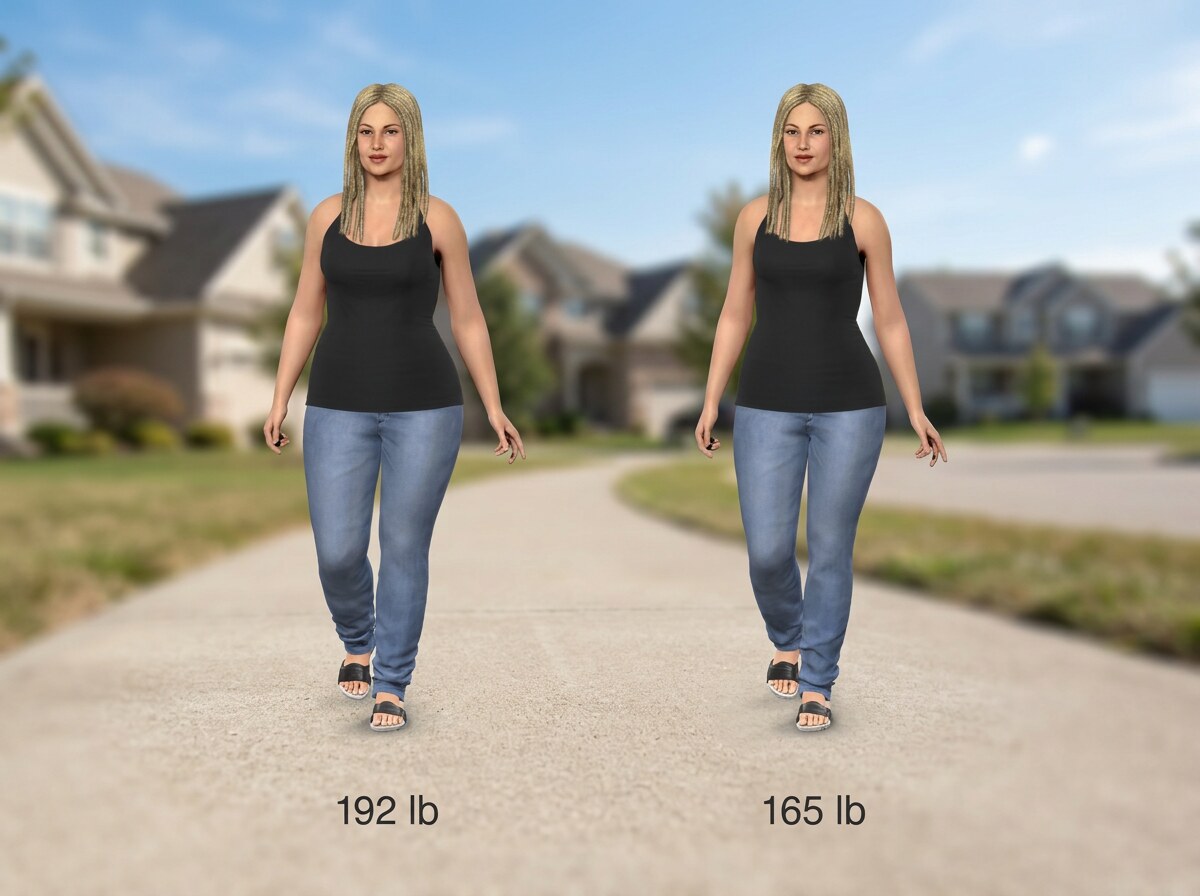
Rachel is a 51-year-old school administrator in Ohio. When the headlines about a Sardinian village full of long-lived women crossed her screen last week, she did what plenty of us do: she read the article, looked at the pictures of hillside streets and bowls of beans, and felt a brief pang of longing for a simpler life she does not have. She does not live in a walkable Italian village. She lives in a suburb where she drives to work, manages a staff of twelve, and eats dinner at eight o’clock most nights because that is when the kitchen finally gets quiet.
A lesser article would have told her to move to Sardinia in her mind, to overhaul her pantry, to adopt a Mediterranean diet by Tuesday. Rachel is too practical for that. She has tried the full-life-overhaul approach before and watched it collapse by day ten. So she asked herself the only question that actually sticks: what is the one piece of this I can do without turning my week upside down?
Her answer was a walk. Not a power walk, not a tracked walk, not a walk that required new shoes or a playlist or a heart-rate zone. She called her neighbour Diane, who is sixty-three and already walks most evenings anyway, and asked if she could join her three nights a week. Twenty-five minutes, down to the corner and back.
The figure above shows Rachel at 192 pounds and at her goal of 165. Twenty-seven pounds is not a small change, and on a five-foot-five frame it rearranges more than people expect. Her face carries less puffiness first, the jawline sharpening before the waistband loosens. Her arms lean out gradually, and the last place the weight lets go is her hips and thighs, which is normal and maddening in equal measure. That is why the mirror and the scale so often disagree: the scale drops steadily for two weeks while the mirror shows the same woman, then the scale stalls for ten days while the waistband suddenly fits differently. The render on the left is where she is now. The one on the right is where she is going, and you can try the simulator for yourself to see what a different starting point and a different goal look like on a body shaped like yours.
Rachel did not take on the walk to lose twenty-seven pounds. She took it on because the Sardinian women in the headlines walk every day, not as exercise but as transportation, as social time, as the thing you do after a meal because the evening is cool and your neighbour is on the porch. A twenty-five-minute stroll at a leisurely two-and-a-half miles an hour burns maybe eighty calories. That is not a weight-loss strategy by itself. But Rachel noticed something by the end of the first week: she was sleeping better. By the end of the second, Diane had become the person she complained to about the new payroll system, and the walk had become the part of Wednesday she looked forward to instead of the part she talked herself out of.
The headlines about longevity hotspots always hunt for the one food or the one gene. The Sardinian village story mentions a traditional diet of beans, vegetables, whole grains, and olive oil, eaten in company, with wine in moderation and red meat only now and then. That is good advice and it is also advice you have heard before. What the headlines miss is that the food sits inside a life where people move all day without calling it exercise, eat together without calling it a dinner party, and keep a reason to get up in the morning without calling it a purpose-driven morning routine.
The psychology of adopting a blue-zone habit is mostly about resisting the urge to adopt five of them at once. When a story like the Sardinian village breaks, the temptation is to build a whole new lifestyle in your head: you will walk every day, you will cook beans from scratch, you will invite friends over for long leisurely dinners, you will drink one glass of red wine and no more. That mental model feels good for about seventy-two hours. Then Wednesday happens. You work late, the beans are still dry in the cupboard, the friend cancels, and the whole thing collapses because you built it as a single structure instead of a single brick.
Rachel understood this without naming it. She has been through enough Januaries to know that a habit survives when it is small enough to survive a bad week. Three walks, no equipment, a neighbour who is already going anyway. That is a brick. If it holds for a month, she might add another one: a pot of beans on Sunday that becomes lunch for three days. But she is not thinking about month two right now. She is thinking about Thursday evening, and whether it will rain.
The other trap is expecting the habit to feel meaningful right away. A twenty-five-minute walk with a neighbour does not feel like a longevity intervention. It feels like a walk. The women in the Sardinian village are not tracking their steps. They are living a life where movement is just the shape of the day. Rachel’s version of that is three evenings a week when she is not on the couch scrolling. The meaning accumulates later, in months and years, the way bone density and blood pressure and the ability to carry your own groceries into your own kitchen at seventy-five accumulate. You do not feel them arriving. You just notice one day that you can still do the thing.
If the Sardinian headlines caught your attention this week, you do not need to overhaul your kitchen or book a flight to Italy. Pick the one habit your actual week can hold, the one that survives a Tuesday staff meeting and a Thursday rain shower, and start it now. Rachel picked a walk with Diane. Yours might be a pot of beans, or a meatless Monday, or calling a friend while you chop vegetables instead of eating alone in front of the television. Pick the brick, not the blueprint. Talk to your doctor if you are adding new activity to a sedentary week. Then see whether the habit is still standing on day eleven.