
Your mom lived to 92. That’s a clue, not a contract.
By Maya · September 30, 2026
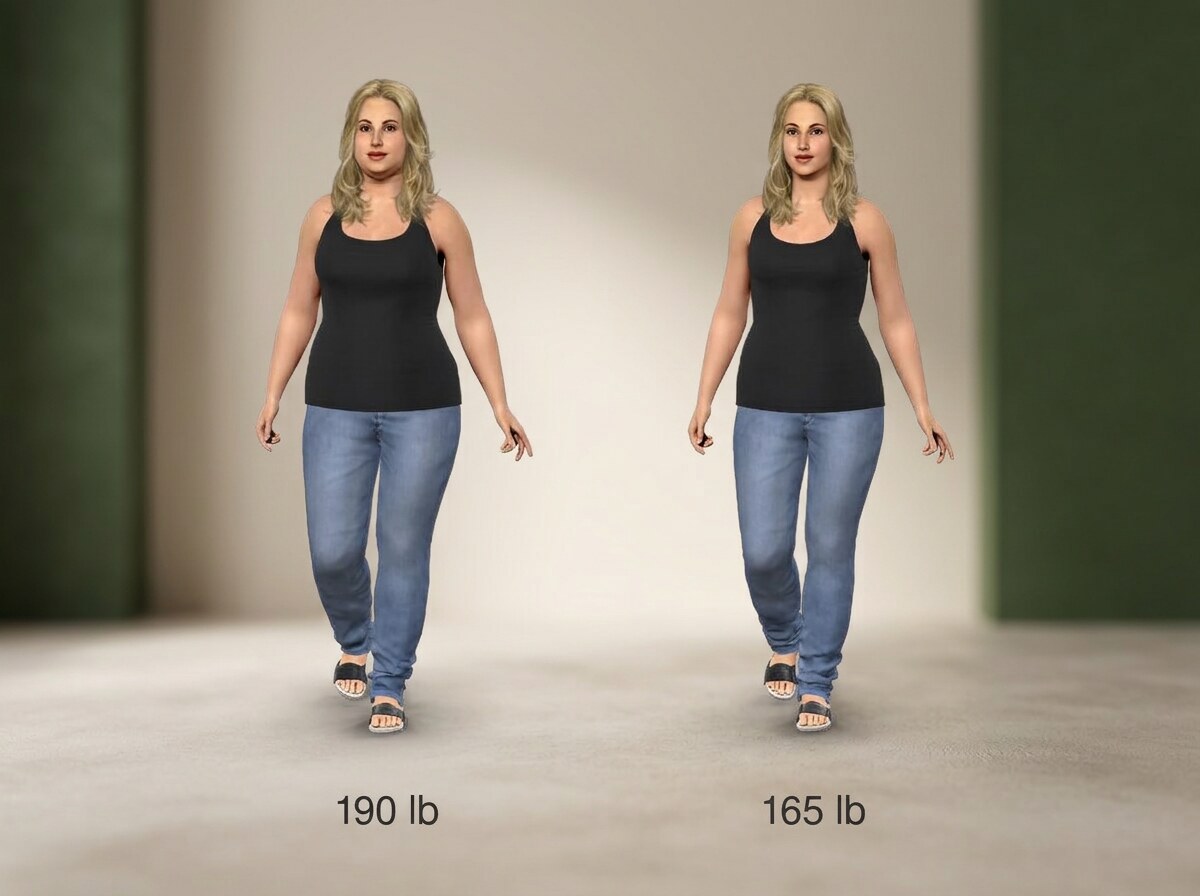
Dana, 52, has a mother who is 91 and still gardens. She walks to the market, cooks her own meals, and remembers the name of every neighbor’s dog. Two years ago, Dana looked at that picture and decided she had longevity in the bag. When her left knee twinged on a hike, she took it as permission to stop strength training entirely. After all, her mom never lifted a dumbbell and she is doing fine.
That is the trap. A long-lived parent is a real piece of data, one of the better ones we have. But it is not a verdict, and treating it like one makes people either complacent or fatalistic. The question is not whether you will match your mother’s number. The question is what you are doing with the years between now and then.
Family History
A parent who reaches 92 or 100 hands you a genetic deck that is probably stacked a little more in your favor than the next person’s. The body she gave you tends to repair cells a bit better, fight off the big killers a bit longer, and tolerate the slow wear of decades with a bit less inflammation. That is a gift.
But it is a gift that gets spent down by the life you live on top of it. Your mother’s 91-year-old body is the product of her genetics plus sixty years of meals, movement, sleep, stress, and probably a fair amount of walking to the market. Dana inherited the genetics. She did not inherit the walking.
A long life and a healthy life are two different things, and the difference shows up in the mirror long before it shows up on a death certificate. Dana is 190 pounds on a 5’5” frame. The figure above shows where she is now and where she wants to be at 165. That twenty-five pounds is not just a number. It is the difference between a knee that twinges and a knee that carries her up a flight of stairs at 75.
Weight settles where it settles, but the order it leaves is fairly predictable. The first place Dana will notice the change is in her face and her waist. The last place is usually the arms and the lower belly. That is why the scale and the mirror argue for weeks. The scale drops five pounds and the mirror still shows the same silhouette because the body is pulling from everywhere, a little at a time. If you want to see what your own twenty-five looks like, the simulator at /women.html lets you dial it in on a body like yours. It is not a promise, but it is a preview, and a preview is more useful than a wish.
Daily Habits
Here is a small audit that takes five minutes. Write down two things your long-lived parent or grandparent did almost every day. Not the big stuff like “she never smoked.” The small, unglamorous stuff that filled the hours.
Maybe she walked to get the mail and stopped to talk to three people on the way. Maybe she ate a real breakfast, the same one, for forty years. Maybe she went to bed at ten and woke up at six without an alarm. Maybe she gardened, which is just squatting and carrying and standing back up for an hour while the sun hits your skin.
Now look at your own Tuesday. Which of those two things have you dropped? Dana’s mother moves all day in small doses. Dana moves from her car to her desk to her couch and calls the knee twinge a reason to move even less. The genetics are the same. The daily motion is not.
The dangerous story is the one that says the outcome is already written. If your mother made it to 92, the thinking goes, you can skip the hassle and still collect the prize. That story feels good right up until the blood work comes back with a fasting glucose you did not expect. The body does not care what story you tell. It only cares what you did yesterday and the day before that.
The opposite story is just as useless. Some people look at a parent who died at 68 and decide they are doomed. They treat the number like a countdown clock and stop investing in a body they think is already lost. Both stories let you off the hook. Both stories are wrong. Family history is a nudge, not a sentence.
Muscle Mass
For Dana, the dropped habit was strength training. She stopped two years ago and gained eighteen pounds, most of it around her middle. The knee did not get worse because she rested it. It got worse because the muscles that support a knee do not come back on their own.
This is where the decades ahead come into focus. Longevity is not about living to 92. It is about standing up from a chair at 82 without using your hands. It is about catching yourself when you trip at 75 because your legs still have the fast-twitch fibers to react. Muscle is the organ of independence, and it starts leaving in your forties unless you ask it to stay.
Dana does not need a gym membership she will not use. She needs one exercise she will actually do, twice a week, tracked somewhere she can see it. The Model My Diet app has a habit logger that works for exactly this. Pick the one thing, check it off, and watch whether it holds for two weeks. Two weeks is long enough to feel the difference in your mood and short enough that you will actually try.
Lifestyle Changes
You do not need to rebuild your mother’s whole lifestyle. You need to pick one of the two things you wrote down and put it back into your week. If she walked, you walk. If she gardened, you find something that asks your legs to bend and your hands to grip. If she ate a real breakfast, you eat one that is not a granola bar in the car.
Pick the one that feels the least like a punishment and log it for fourteen days. Do not weigh yourself. Do not judge the outcome. Just notice what it feels like to do the thing your body was quietly expecting all along. Longevity is not a prize you win by having the right parents. It is a stack of small, boring Tuesdays, and you get to decide what yours look like.
Talk to your doctor before you start anything new, especially if you have a knee or a back or a heart that has already spoken up. But after that conversation, pick the thing. Your mother’s 92 is a clue. What you do with it is up to you.